Last Updated on 5 months ago by GreenWriter
Table of Contents
The Complete 2026 Weed Guide for Travelers to France
France has always mastered the art of atmosphere. One minute you are sipping espresso beneath Parisian balconies, the next you are drifting through vineyard roads in Bordeaux or watching waves crash against the Côte d’Azur under golden Mediterranean light. The country feels cinematic almost everywhere you go. But when travelers begin researching cannabis in France, they quickly realize the country operates very differently from places like Spain, Portugal, or the Netherlands.
France keeps a conservative legal structure around cannabis, even though everyday reality often feels softer and more nuanced than the law itself suggests. Recreational weed in France remains illegal, public use still attracts police attention, and the country does not openly embrace cannabis culture. At the same time, medical marijuana access is expanding steadily, CBD shops are now common in cities and beach towns, and low-key private consumption exists quietly beneath the surface in many regions.
That contradiction defines cannabis laws in France in 2026. Officially strict. Socially mixed. Practically discreet.
For travelers, understanding the difference between written law and real-world enforcement is essential. France rewards subtlety. Loud behavior, public smoking, or treating the country like Amsterdam can create problems quickly. Quiet, respectful behavior usually keeps situations from escalating.
This guide breaks down everything you need to know about weed in France in 2026, including recreational legality, medical access, CBD culture, enforcement patterns, tourism hotspots, regional differences, driving risks, and practical traveler strategy.
Whether you are planning lazy beach days in Nice, wine routes through Burgundy, surf escapes along the Atlantic coast, or long café afternoons in Paris, this is your full insider guide to marijuana legality in France.
France’s Cannabis Landscape in 2026: The Big Picture
France still holds one of Europe’s stricter official cannabis positions, but daily reality has evolved significantly over the last decade. Recreational cannabis remains illegal nationwide, yet small personal use is no longer treated with the same aggressive criminal approach that once defined French policy.
Today, cannabis laws in France operate in two parallel layers.
The first layer is the legal framework itself. THC-rich cannabis remains prohibited, trafficking penalties remain severe, and public consumption can still result in fines or police interaction.
The second layer is practical enforcement. In most real-world situations involving small personal quantities of weed in France, authorities now focus on quick administrative penalties instead of lengthy criminal prosecution. The €200 fixed fine system introduced in recent years dramatically changed how minor possession cases are handled.
At the same time, medical cannabis programs continue expanding slowly, and CBD products have exploded into the mainstream. In cities like Paris, Marseille, Lyon, Bordeaux, Toulouse, and Nice, CBD boutiques are now everywhere. You will see oils, flowers, gummies, and cosmetics sold openly in modern storefronts that feel more wellness-focused than underground.
The atmosphere surrounding marijuana in France is therefore complicated. The country does not openly celebrate cannabis culture, but neither does it pursue small-scale users with maximum intensity anymore. France values discretion, social calm, and keeping cannabis invisible in public life.
For travelers, this means one thing above all else: understanding local behavior matters more than assumptions.
Recreational Cannabis in France: Illegal but Increasingly Pragmatic
Recreational marijuana in France is still illegal throughout the country. Possession, use, purchase, and sale of THC-rich cannabis remain criminal offenses under French narcotics law. However, the way these laws are enforced has shifted considerably in recent years.
Before the administrative fine system, even small personal possession cases could technically lead to criminal prosecution. In practice, this created overloaded courts and inconsistent enforcement. France responded by introducing the fixed-fine approach for minor possession cases.
Today, if police catch you with a small personal amount of weed in France usually under roughly 10 to 20 grams depending on context, the most common outcome is a €200 on-the-spot fine. If paid quickly, this can sometimes be reduced to €150.
But context matters heavily when it comes to cannabis in France.
Police pay far more attention to:
- Public consumption
- Disturbing behavior
- Visible intoxication
- Tourist hotspots
- Areas near schools or major landmarks
Quiet private use attracts far less attention than open smoking in busy public spaces.
This is one of the most important realities of marijuana legality in France. The country is not tolerant in the Dutch sense. Cannabis exists quietly, mostly behind closed doors or within trusted social circles.
Tourist-heavy districts in Paris, Marseille, Nice, and Cannes tend to have more visible policing during summer. Smoking weed openly near the Eiffel Tower, crowded beaches, or packed nightlife streets dramatically increases the likelihood of interaction with police.
Meanwhile, rural regions often feel calmer in practice, although legality remains exactly the same.
The biggest mistake travelers make with cannabis in France is confusing relaxed social atmosphere with legal tolerance. France may feel easygoing culturally, but authorities still expect public order and discretion.
Medical Cannabis in France: Slow Expansion but Real Progress
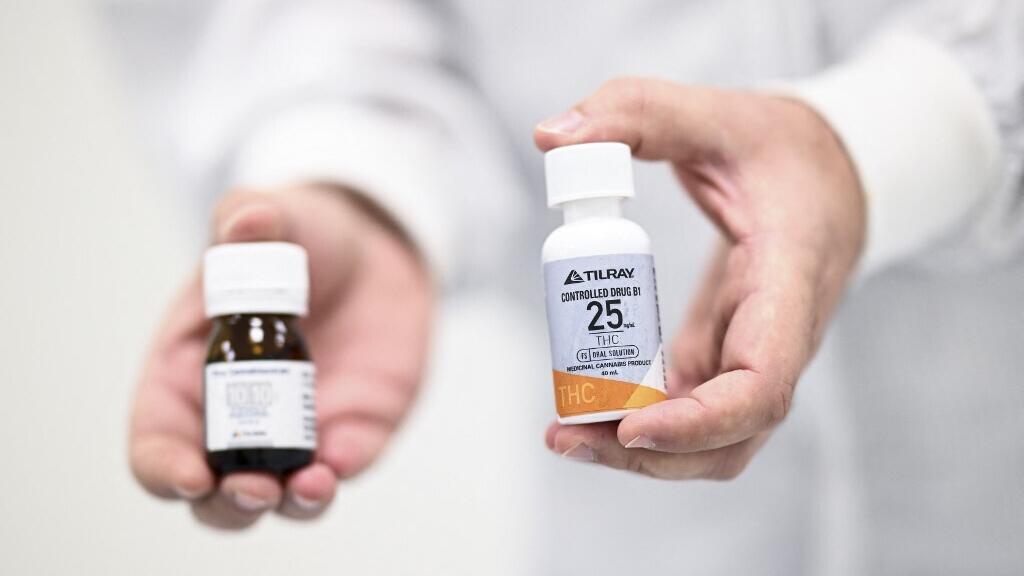
France has historically moved slowly on medical cannabis compared to Germany, Italy, or certain parts of North America. But by 2026, the country has built a far more structured system than travelers may expect.
The medical cannabis pilot program launched in 2021 helped normalize discussion around therapeutic marijuana access. Since then, access pathways have gradually expanded for patients with severe or treatment-resistant conditions.
Common qualifying conditions include:
- Chronic neuropathic pain
- Severe epilepsy
- Multiple sclerosis spasticity
- Chemotherapy-related nausea
- Palliative care treatment
- Certain cancer-related symptoms
Medical cannabis in France remains tightly regulated. Most products are oils or extracts, although limited flower products may exist in specific cases.
For foreign travelers, one of the most important realities is that non-French prescriptions are generally not recognized automatically. Bringing THC cannabis from another country into France is highly risky and strongly discouraged.
Instead, patients usually need:
- Consultation with a French medical specialist
- Evaluation under approved treatment criteria
- Local prescription access
- Pharmacy dispensing through authorized channels
The process can feel bureaucratic compared to more developed medical markets, but progress is clearly happening.
What makes cannabis laws in France unique is that the country approaches medical access through a pharmaceutical and clinical lens rather than a lifestyle framework. Public discussion rarely frames cannabis positively in recreational terms, but therapeutic access has gained increasing acceptance.
For travelers with genuine medical needs, France is becoming more accessible than many people realize, but it still requires planning, documentation, and patience.
CBD & Low-THC Products: France’s Quiet Green Boom
CBD has transformed the conversation on weed in France.
A few years ago, CBD shops were still relatively niche. Now they are everywhere. Walk through Paris, Lyon, Bordeaux, Nice, Strasbourg, Toulouse, or Montpellier and you will regularly pass sleek hemp boutiques selling everything from oils and gummies to low-THC flowers and cosmetics.
CBD products containing less than 0.3% THC are legal under French and EU regulations. France is actually one of Europe’s largest hemp producers, which means quality standards are often surprisingly strong.
For travelers exploring weed in France, CBD becomes the safest and easiest way to engage with cannabis-adjacent culture legally.
Popular products include:
- CBD oils
- Gummies and candies
- Vape cartridges
- Herbal teas
- Topicals and skincare
- Low-THC hemp flower
- Sleep and relaxation blends
The atmosphere around CBD is completely different from THC cannabis. Shops feel modern, wellness-focused, and socially accepted. You will find CBD stores near train stations, shopping streets, beach promenades, and even inside larger retail zones.
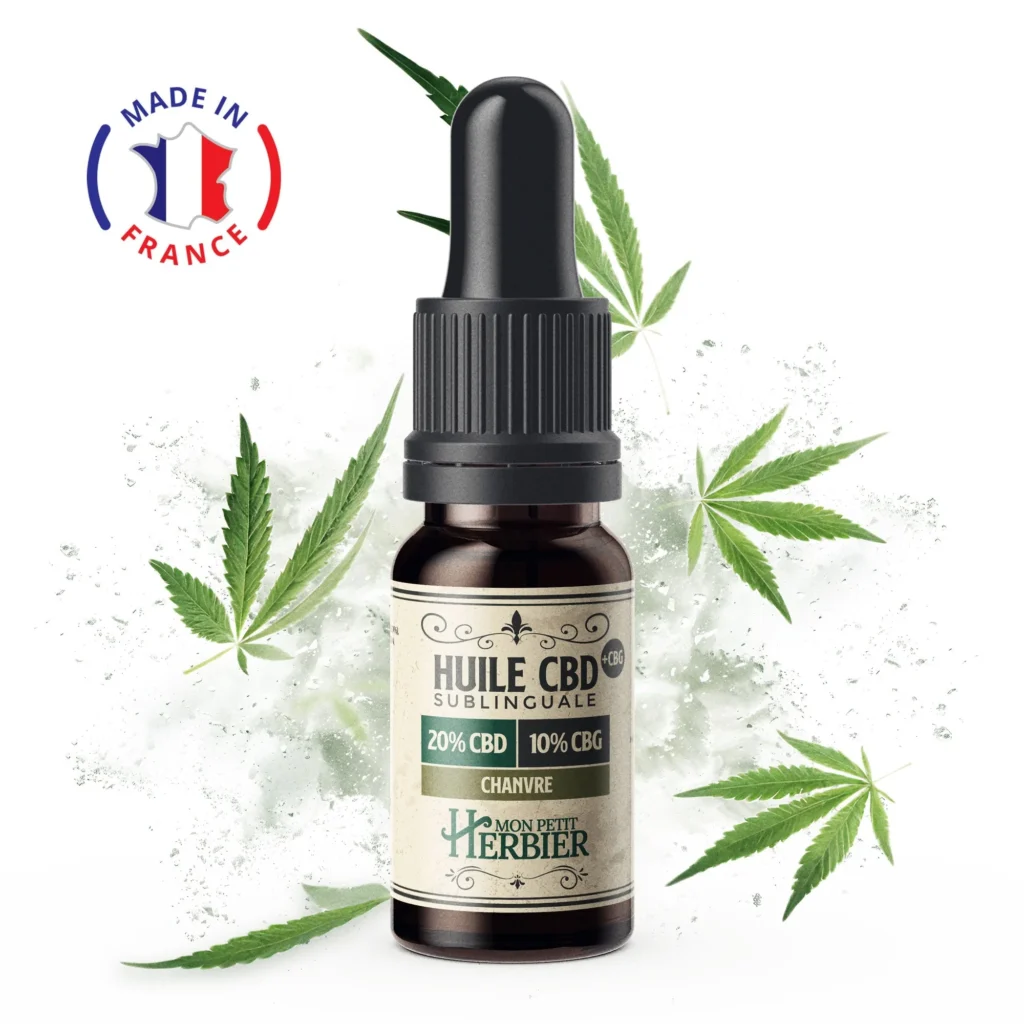
Unlike recreational cannabis, CBD carries almost no social stigma anymore in major French cities.
Many travelers use CBD for:
- Sleep after long flights
- Anxiety reduction
- Jet lag recovery
- Muscle soreness after hiking or surfing
- General relaxation during travel
As long as THC levels remain compliant, CBD is the most straightforward way to navigate cannabis in France without legal exposure.
Growing Weed in France: Why Personal Cultivation Remains Risky
France still takes a very hard line on cannabis cultivation.
Even growing a single plant for personal use can technically result in criminal charges, fines, or investigation. Unlike some European countries that quietly tolerate small home grows, France maintains strict legal prohibition around cultivation.
This surprises many travelers because enforcement for personal possession of marijuana in France has softened while cultivation laws remain severe.
The reason is simple: French authorities continue viewing cultivation as a supply-chain issue rather than purely personal use.
Licensed production exists only for tightly controlled medical and industrial hemp operations. These businesses operate under heavy oversight involving agriculture authorities, pharmaceutical regulation, and THC compliance standards.
For everyday individuals, there is effectively no legal gray area.
This means:
- Balcony grows are illegal
- Indoor cultivation is illegal
- Outdoor personal plants are illegal
- Selling homegrown cannabis carries severe penalties
Even though marijuana legality in France has evolved in terms of small possession enforcement, cultivation laws remain firmly restrictive.
For travelers staying long-term in France, this is important to understand. The country may feel socially relaxed in some regions, but cannabis production remains a red line legally.
Penalties & Enforcement: How Cannabis Laws in France Work in Real Life
The written law on cannabis in France only tells part of the story. Real-world enforcement depends heavily on visibility, context, and behavior.
For small personal possession, the standard outcome is usually the administrative fine system rather than criminal court proceedings. But several factors can increase legal exposure quickly.
Police pay closer attention when:
- Cannabis is consumed publicly
- Behavior becomes disruptive
- Quantities suggest distribution
- Drivers appear impaired
- Activity occurs near schools or tourist landmarks
In tourist-heavy areas, officers often prioritize maintaining public order and keeping highly visible spaces controlled.
Paris, Marseille, Nice, Cannes, and other major destinations tend to have stronger visible policing during summer months. Events, nightlife districts, and crowded beaches increase enforcement opportunities.
By contrast, smaller towns and countryside regions may feel less aggressive in practice. Still, legality remains identical nationwide.
One major difference between France and more openly cannabis-friendly countries is cultural expectation. France expects cannabis use to remain discreet and private. Loud public smoking often creates problems not because authorities are searching aggressively, but because visibility itself attracts attention.
For weed in France, the safest strategy is always low visibility, respectful behavior, and avoiding public consumption entirely.
Driving and Cannabis in France: One of the Strictest Areas of Enforcement
France takes impaired driving extremely seriously.
Even very small amounts of THC in your system can create legal problems if you are stopped while driving. Unlike alcohol laws, which operate around clearer intoxication thresholds, THC testing often focuses simply on detectable presence.
Roadside drug testing is common, especially during:
- Holiday travel periods
- Festival weekends
- Summer tourism months
- Late-night traffic checks
If THC is detected, consequences can include:
- Heavy fines
- License suspension
- Criminal charges
- Insurance complications
- Stronger penalties if alcohol is also involved
This is one of the strictest practical areas of marijuana in France.
Travelers sometimes underestimate the risk because they assume casual use the night before is harmless. But THC can remain detectable well after psychoactive effects disappear.
If you are renting a car in France especially for wine-country trips, Riviera road routes, or countryside escapes the safest strategy is simple: avoid driving after using THC entirely.
French roads are heavily monitored compared to many other European countries, and roadside testing infrastructure is well established.
When it comes to weed in France, driving is the area where authorities show the least flexibility.
Traveling to France with Cannabis: Airports, Borders & Tourist Reality
France maintains strict border controls regarding THC cannabis.
You should never attempt to bring recreational cannabis into France through airports, train routes, or road borders. Even travelers coming from countries with legal cannabis systems remain subject to French law once entering the country.
This includes:
- THC flower
- Vape cartridges
- Edibles
- Concentrates
- Foreign medical cannabis without authorization
Airport customs and security maintain zero tolerance toward undeclared THC products.
CBD products under 0.3% THC are generally allowed when properly labeled and commercially packaged. Still, carrying documentation and original packaging is smart, especially during international travel.
Inside France itself, domestic train travel and regional movement usually involve far less scrutiny than airports. But legality does not change once inside the country.
For travelers exploring cannabis in France, the most practical approach is:
- Do not travel internationally with THC
- Buy legal CBD locally if desired
- Keep any cannabis-related activity extremely discreet
France is not a destination where crossing borders with cannabis is treated casually.
Marijuana Circulation Patterns Across France
Cannabis circulation in France operates quietly beneath the surface of everyday life.
In large cities like Paris, Marseille, Lyon, and Toulouse, access often moves through private social networks, neighborhood contacts, delivery systems, and trusted circles rather than openly visible street culture.
Tourist areas sometimes create temporary informal markets during summer, especially in nightlife districts or beach destinations. But even there, cannabis in France remains noticeably more discreet than in Spain, Portugal, or parts of North America.
Different regions develop different rhythms.
Paris tends to operate through dense urban networks and private apartment culture. Southern coastal regions blend tourism flow with quieter local connections. Rural France moves more slowly and personally, often relying on long-standing community familiarity.
Street dealing does exist in certain urban neighborhoods, but travelers should understand the risks:
- Tourist pricing is inflated
- Product quality varies heavily
- Police attention increases in visible zones
- Scams are common in high-tourism districts
The overall atmosphere surrounding weed in France is underground but accessible for people already connected socially.
For visitors, chasing marijuana in France aggressively often creates more risk than reward.
Seasonality, Tourism & Regional Differences Across France
Timing changes how cannabis in France feels.
During peak summer months between June and September, coastal cities, festivals, nightlife districts, and tourist regions become far more active. Crowds increase anonymity slightly, especially in beach destinations along the Mediterranean coast or Atlantic surf towns.
But summer also increases policing visibility.
Authorities monitor crowded tourism zones more heavily during:
- Festivals
- Beach events
- Nightlife weekends
- National holidays
Shoulder seasons like May, September, and October often create the most balanced environment. Cities remain active while tourist pressure decreases.
Regional differences also matter.
Paris & Major Cities
More active cannabis circulation but stronger police visibility.
Côte d’Azur & Southern Coast
Luxury tourism creates discreet private-use culture but public exposure remains risky.
Rural France
Quieter atmosphere, slower movement, and more personal social networks.
Overseas Territories
Certain territories operate under stricter enforcement realities despite following French law.
Understanding these regional shifts helps travelers navigate marijuana legality in France more realistically.
Cannabis Culture & Social Attitudes in France
France does not openly celebrate cannabis culture the way some countries do.
Even though usage rates are relatively high compared to parts of Europe, public culture around cannabis remains restrained. Discretion, privacy, and social calm are valued strongly.
Younger generations in major cities tend to hold more relaxed attitudes toward weed in France, especially among students, creatives, nightlife communities, and international travelers.
At the same time, older generations and many rural communities still view cannabis negatively.
This creates a split cultural environment:
- Private tolerance
- Public caution
- Quiet normalization
- Limited open celebration
One of the biggest mistakes visitors make is assuming France’s relaxed café culture translates into visible cannabis acceptance. It does not.
The country prefers subtlety.
Public smoking, loud intoxication, or drawing attention to cannabis use often violates unspoken cultural expectations even when enforcement remains light.
For travelers, understanding these social dynamics matters just as much as understanding the law itself.
Practical Traveler Tips for Navigating Cannabis in France
If you are visiting France in 2026, the smartest cannabis strategy is simple: stay discreet, stay respectful, and avoid unnecessary visibility.
The safest approach for most travelers is:
- Use legal CBD products
- Avoid public smoking entirely
- Never drive after THC use
- Do not cross borders carrying cannabis
- Respect local social norms
France rewards subtle behavior.
Cannabis exists here quietly beneath everyday life, but the country does not encourage open public consumption or visible cannabis tourism culture.
Fortunately, France barely needs enhancement anyway.
The real highs often come naturally: sunrise over the Seine, long wine dinners in Burgundy, lavender fields in Provence, surf sunsets in Biarritz, midnight walks through Nice, or mountain air in the Alps.
If you understand the balance between law, discretion, and atmosphere, you can navigate weed in France without unnecessary problems while still enjoying one of the most beautiful countries in Europe.
Travel smart, move quietly, and let France itself become the experience.
The Future of Cannabis Laws in France
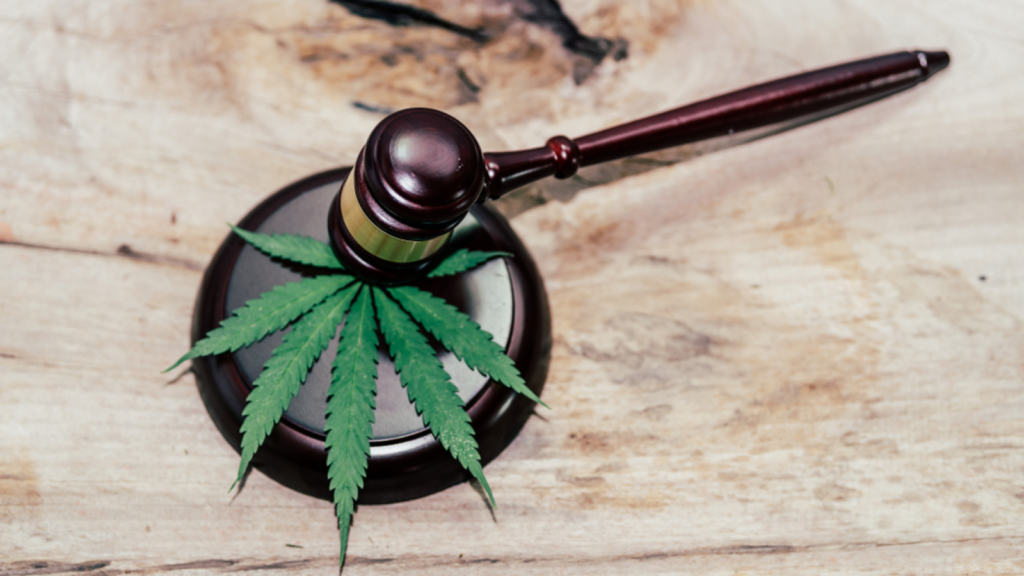
France is changing, but slowly.
Medical cannabis access continues expanding, CBD normalization has already transformed public perception, and broader European cannabis reforms continue influencing domestic debate.
Still, full recreational legalization does not appear imminent.
French political culture tends to move cautiously on drug policy, especially compared to countries pursuing aggressive legalization models.
The more realistic near-future expectation is:
- Continued medical expansion
- Wider pharmaceutical access
- Further normalization of CBD
- Ongoing decriminalization discussions
- Incremental policy softening rather than rapid legalization
France watches Germany, Switzerland, Spain, and broader EU developments closely. But culturally, the country still prioritizes controlled reform over radical change.
For now, cannabis laws in France remain a balance between legal conservatism and practical moderation.
FAQ – Cannabis in France
Is weed legal in France?
No. Recreational cannabis is still illegal throughout France. Possession, purchase, sale, and public use of THC-rich cannabis remain criminal offenses under French narcotics law. However, enforcement has become more practical in recent years. Small personal amounts are now commonly handled through a fixed €200 administrative fine rather than full criminal prosecution. Public visibility still matters heavily though. Smoking weed in France openly near tourist landmarks, beaches, parks, or crowded nightlife areas increases the likelihood of police attention significantly. France may feel relaxed culturally, but cannabis laws in France still prioritize discretion and public order above all else.
Can I bring medical cannabis from another country into France?
Usually no. France does not broadly recognize foreign medical cannabis prescriptions automatically, especially for travelers arriving with THC products from abroad. Bringing flower, oils, vapes, or edibles containing THC into the country can create serious legal problems at airports or border crossings. Even if your cannabis is legal in your home country, French law still applies once you enter France. Travelers with genuine medical needs typically need to consult a French specialist locally and obtain a French prescription through approved medical channels. CBD products under legal THC limits are generally safer for travel if properly labeled and commercially packaged.
Is CBD legal in France?
Yes. CBD products containing less than 0.3% THC are fully legal in France and widely available across the country. Over the last few years, CBD culture has expanded rapidly, especially in cities like Paris, Nice, Bordeaux, Marseille, Toulouse, and Lyon. You can now find CBD oils, gummies, low-THC flower, teas, skincare products, and vapes sold openly in modern boutiques, pharmacies, wellness stores, and shopping districts. Unlike recreational cannabis, CBD carries very little stigma socially and is treated more like a wellness product. For many travelers exploring weed in France, CBD offers the easiest and safest legal option for relaxation without exposure to criminal penalties.
What happens if I get caught with a small amount of cannabis in France?
In most first-time cases involving small personal quantities, French police now issue a fixed €200 administrative fine instead of pursuing lengthy criminal prosecution. If paid quickly, the fine can sometimes be reduced to €150. However, context matters heavily. Public smoking, disruptive behavior, visible intoxication, or possession near schools and tourist landmarks increases legal risk. Larger quantities may lead authorities to suspect distribution rather than personal use, which carries much harsher consequences. While cannabis laws in France remain officially strict, practical enforcement today focuses more on maintaining public order and reducing visible nuisance rather than aggressively targeting low-level personal users.
Can I grow marijuana at my Airbnb or rental apartment in France?
No. Personal cannabis cultivation remains strictly illegal throughout France, even if you are only growing a single plant for personal use. French authorities still treat cultivation very seriously compared to small possession cases. Unlike some countries that quietly tolerate home growing, France maintains firm restrictions around production and supply. This applies equally to tourists, temporary visitors, and long-term residents. Growing weed in France at an Airbnb, holiday villa, campsite, or apartment can potentially lead to criminal investigation, fines, or more severe legal consequences depending on the situation. Licensed cultivation exists only for tightly regulated industrial hemp and approved medical production companies operating under government oversight.
Is driving with cannabis legal in France?
No. France has some of the strictest cannabis-driving enforcement rules in Europe. Even small traces of THC in your system can lead to legal consequences if you are stopped while driving. Police regularly conduct roadside drug testing, especially during summer tourism periods, festival weekends, holiday traffic, and nighttime checks. Consequences may include heavy fines, license suspension, insurance problems, and criminal penalties if impairment is suspected. Combining cannabis with alcohol increases risk even further. Many travelers underestimate how long THC remains detectable after use. If you are renting a car for countryside trips, wine routes, or Riviera drives, the safest strategy is simple: avoid driving entirely after using THC.
Where is weed most visible in France?
Cannabis is generally most visible in larger cities, nightlife districts, university areas, festivals, and summer tourism zones. Paris, Marseille, Nice, Lyon, Toulouse, and parts of the southern coast tend to have more active underground cannabis circulation than smaller rural areas. During summer, beach destinations and nightlife corridors become busier, creating slightly more visible cannabis activity among tourists and younger travelers. Still, weed in France remains far more discreet than in places like Spain or the Netherlands. Public cannabis culture is not openly celebrated, and most use stays private, low-key, and socially controlled. France values subtlety, and visible public smoking still attracts unnecessary attention quickly.
Is medical cannabis easy to access as a tourist in France?
Not really. France’s medical cannabis system is improving, but it is still more bureaucratic and restrictive than systems in countries like Germany or Canada. Tourists cannot simply walk into a pharmacy using a foreign prescription. Instead, medical access usually requires consultation with a French doctor or specialist, evaluation under approved medical conditions, and local prescription authorization. The process can take time, making it impractical for short-term visitors staying only a few days. Long-term travelers with legitimate medical needs may still be able to navigate the system successfully, but planning ahead is essential. For most short-stay visitors, legal CBD products remain the easiest alternative.